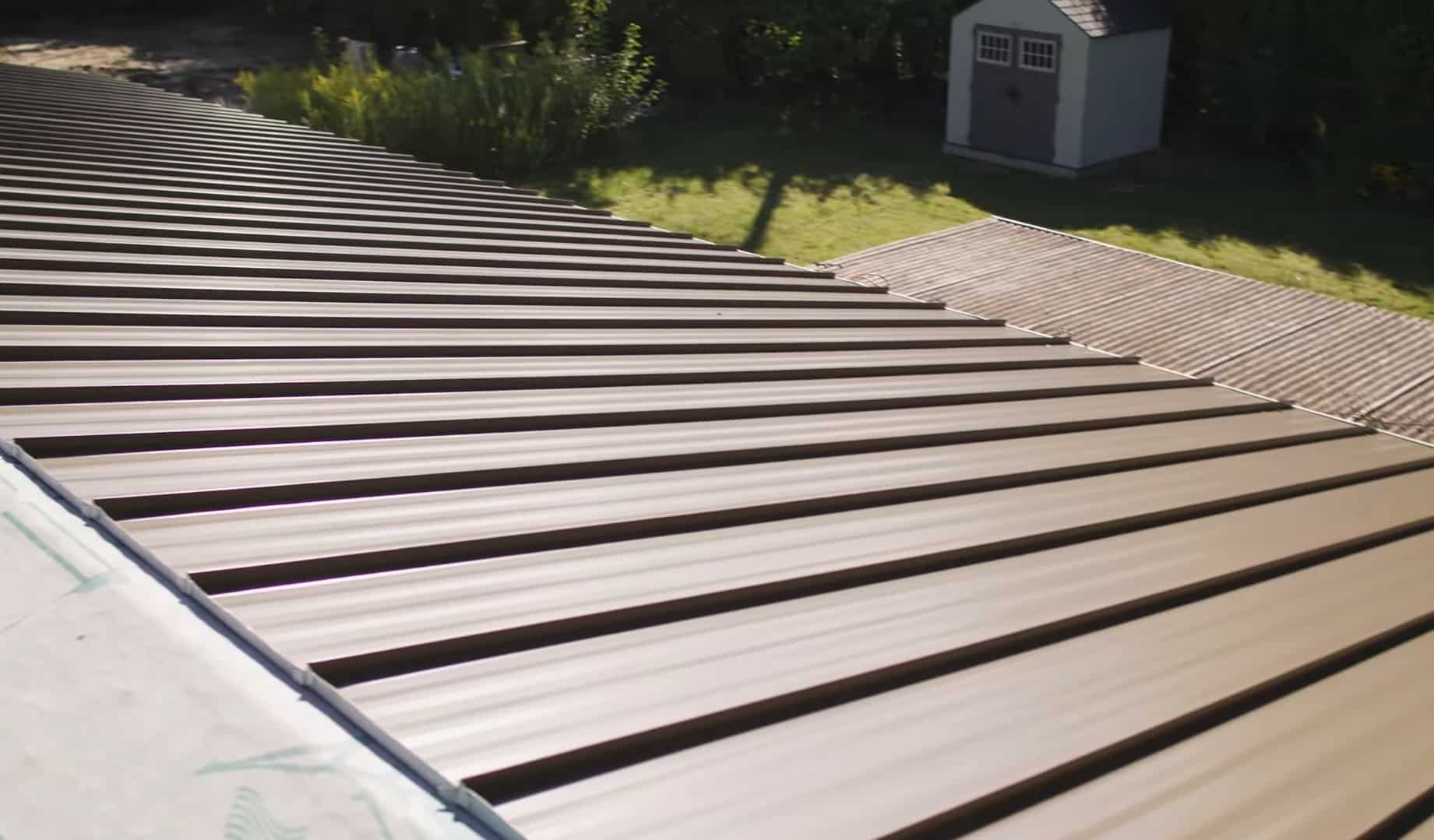
Metal roofing performance in Tulsa, OK, is strongly shaped by regional weather conditions. Temperature swings, wind exposure, and seasonal rainfall all influence how roofing systems are designed and specified. These factors directly affect material selection, panel structure, and long-term durability for residential and commercial projects.
Standing Seam Board & Batten of Oklahoma provides solutions focused on climate-responsive systems for the region. The requirements for metal roofing often lead to the use of structural standing seam metal roofing, where concealed fasteners and engineered panels support stability under local weather conditions. Metal roofing systems are increasingly selected for residential and commercial projects in Tulsa, OK, due to their durability, weather resistance, and long service life.
Climate Conditions That Affect Metal Roofing Systems
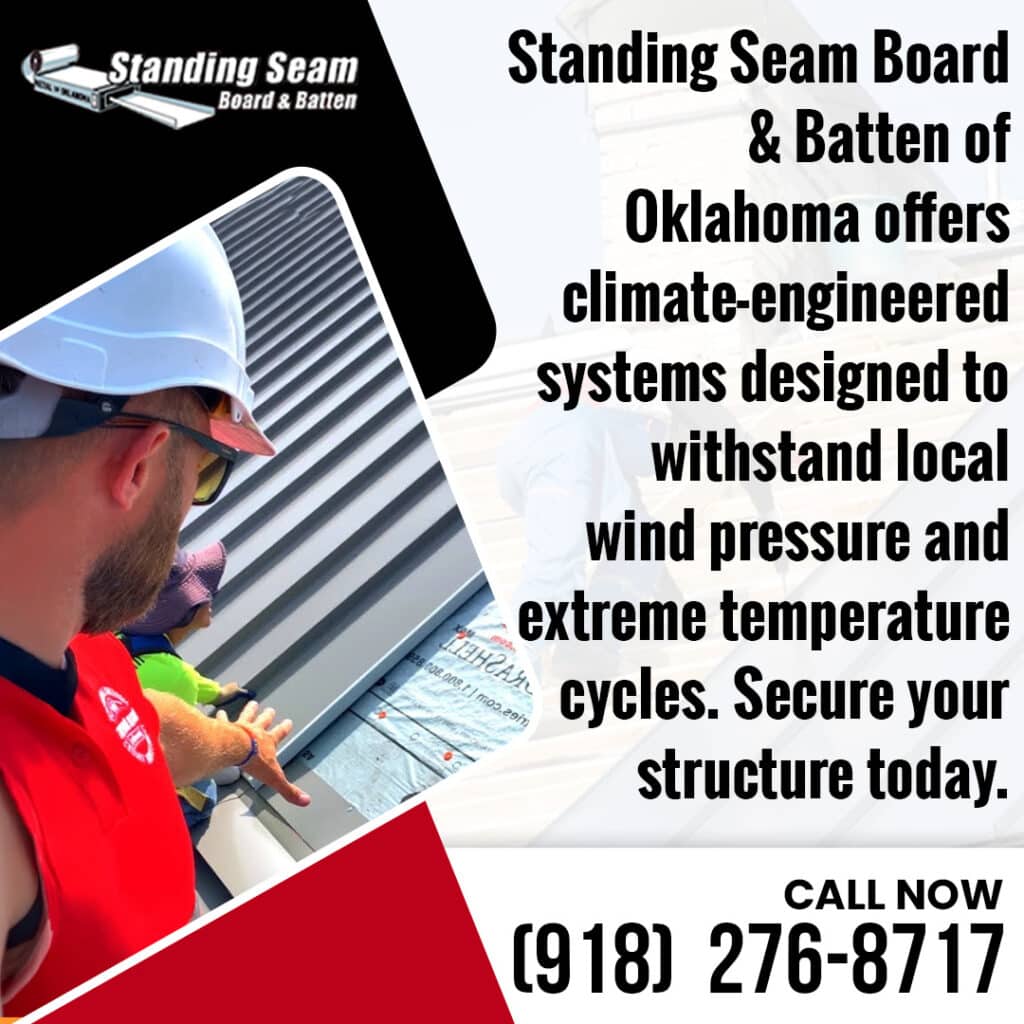
Tulsa experiences weather patterns that directly influence how metal roofing systems are designed and specified. Temperature changes, wind forces, and rainfall cycles affect panel behavior and long-term structural performance. These conditions shape requirements for metal roofing in Tulsa, OK, across residential and commercial buildings.
Temperature Variation Across Seasons
Metal panels respond to seasonal temperature shifts through expansion during heat and contraction during colder periods. This repeated movement occurs throughout the year in Oklahoma and influences how roofing systems are detailed.
Metal roofing systems installed in Tulsa, OK, are commonly designed with allowances for thermal expansion and contraction at seams and fastening points due to regional temperature fluctuations. Panel layout and connection systems are configured to support controlled movement without placing stress on the roof assembly. Uneven solar exposure across roof planes can also create different expansion rates between sections.
Wind Exposure in Tulsa, OK
Wind activity in Tulsa places uplift pressure on roof surfaces, with higher intensity at corners, edges, and ridge zones. These areas typically experience the greatest structural load during storm conditions.
For metal roofing applications, panel locking systems and fastening design play a key role in wind resistance. Standing seam configurations use concealed fastening systems that may improve resistance to wind uplift when properly engineered and installed according to manufacturer specifications. Roof height and surrounding terrain also influence how wind loads distribute across the structure.
Rainfall and Moisture Conditions
Rainfall in Tulsa includes periods of heavy precipitation that test drainage performance and seam integrity. Water movement across a roof is influenced by slope, panel alignment, and seam geometry.
Systems supplied by a standing seam metal roofing supplier are designed with interlocking seams that direct water flow away from panel joints. Proper alignment supports continuous drainage and reduces water retention along roof surfaces. Moisture exposure at transitions, edges, and penetrations also requires controlled detailing to manage water movement across the full system.
Structural Requirements for Standing Seam Metal Roofing Systems
Structural design plays a direct role in how standing seam roofing systems perform under environmental stress in Tulsa, OK. Panel shape, seam configuration, and load distribution all work together to support long-term stability. These factors define how structural standing seam metal roofing systems respond to wind, rain, and temperature movement.
Panel Profile Design
Panel profiles used in metal roofing are formed with vertical seams that increase rigidity across the roof surface. The raised seam design also guides water flow downward, reducing standing water on the panel surface.
Panel width and seam height influence structural behavior under load. Narrower panels generally provide greater resistance to deformation, while seam height contributes to drainage efficiency and panel strength. These design elements are selected based on building type and expected exposure conditions.
Seam Locking Structure
Seam locking systems connect adjacent panels through interlocking edges that form a continuous roof surface. This connection method reduces open fastener exposure and supports consistent panel alignment across the roof field.
In structural standing seam metal roofing systems, seam engagement also supports controlled movement between panels. This allows the system to better accommodate thermal movement while helping maintain seam integrity under changing temperatures. The locked seam structure contributes to maintaining a uniform roof surface under varying weather conditions.
Load Resistance Design
Load resistance in metal roofing systems is achieved through panel spacing, fastening layout, and structural support integration. These elements work together to distribute wind pressure and structural weight across the roof framing system.
Wind uplift forces are transferred through concealed fastening clips into the supporting structure below. This load path helps maintain panel position during high-pressure conditions. Roof design also considers spacing between structural members to support even load distribution across the entire system.
Material Specifications for Metal Roofing in Tulsa, OK
Material selection influences how roofing systems perform under climate conditions. Steel thickness, coating systems, and surface finishes all contribute to structural behavior, durability, and thermal response in metal roofing applications.
Steel Gauge Selection
The steel gauge determines panel thickness and strength. Selection is based on structural demand and project requirements.
- 24-gauge steel
- Used for higher structural demand applications
- Provides greater rigidity for larger spans
- Performs well under higher wind load conditions
- 26-gauge steel
- Common for standard residential and light commercial use
- Lighter weight compared to 24-gauge
- Suitable for moderate structural requirements
Gauge selection affects impact resistance, stiffness, and long-term performance under environmental stress.
Protective Coating Performance
Coating systems protect metal roofing materials from environmental exposure. These coatings are designed to maintain surface condition under regional weather conditions.
- Resistance to UV exposure
- Protection against color fading
- Corrosion resistance in humid conditions
- Extended surface durability over time
- Reduced oxidation on exposed metal surfaces
Coating performance directly affects appearance retention and long-term material stability.
Thermal Performance Characteristics
Surface finishes influence how roofing systems respond to heat exposure. In systems supplied by a standing seam metal roofing supplier, thermal behavior is shaped by coating type and color selection.
- Reflective finishes reduce heat absorption
- Lighter colors support cooler surface temperatures
- Coating composition affects heat stability over time
- Surface finish impacts temperature variation across roof sections
Thermal characteristics influence how metal roofing systems behave under continuous sun exposure.
Metal Roofing Supplies in Tulsa, OK and System Components
Metal roofing performance depends on how each system component works together under Tulsa, OK, weather conditions. Panels, trim elements, and fastening systems each serve a defined function in structural stability, water control, and long-term performance in metal roofing applications.
Panel Manufacturing Standards
Panels from a standing seam metal roofing supplier are roll-formed for consistent shape, seam accuracy, and structural reliability. Uniform thickness and precise dimensions support predictable performance under wind, rain, and temperature changes. Custom lengths reduce field adjustments, while surface quality improves coating adhesion, supporting durability in metal roofing systems.
Trim and Edge Components
Trim systems manage water flow and complete roof edges. They guide runoff away from transitions and protect exposed areas. Ridge caps, eave trims, and flashing close openings, control drainage at joints, and reduce moisture entry. These components protect edges and support long-term roof performance.
Fastening Systems
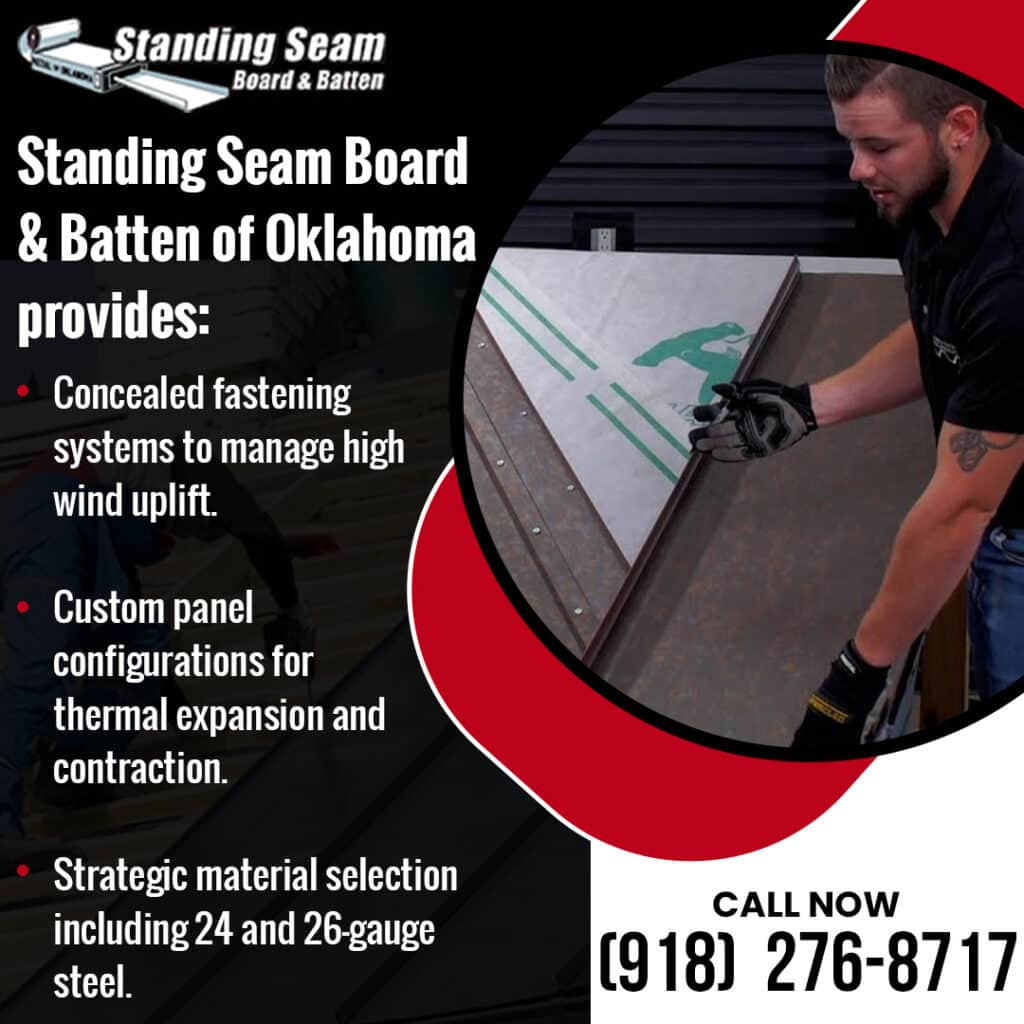
Fastening systems secure panels while allowing movement from temperature changes. Concealed clips attach panels to the roof deck without exposed fasteners. This design supports expansion and contraction, maintains alignment under wind loads, and preserves stability and surface integrity in metal roofing applications.
Role of Standing Seam Board & Batten of Oklahoma in Climate-Based Roofing Solutions
Metal roofing performance in Tulsa, OK, depends on how well roofing systems respond to local wind, heat, and rainfall conditions throughout the year. Each project requires careful attention to material selection and system specifications so the roofing structure can handle these environmental pressures. At Standing Seam Board & Batten of Oklahoma, the approach is centered on aligning system design with actual site conditions rather than relying on uniform or standard configurations. This method supports roofing solutions that better reflect the demands placed on buildings in this region.
Regional System Supply
Standing Seam Board & Batten of Oklahoma operates as a standing seam metal roofing supplier serving Tulsa, OK, and surrounding communities. Roofing systems are supplied with direct consideration of local climate conditions, which include strong seasonal wind exposure, extended heat periods, and recurring rainfall patterns. These environmental factors influence how roofing panels and supporting components are selected for different types of buildings.
Our supply process is structured around real-world performance needs rather than general product distribution. Panel systems, trims, and related components are matched to the expected environmental load of each project. Residential structures, agricultural buildings, and commercial properties each experience different levels of exposure, and material supply decisions reflect those differences. This approach supports more consistent performance across varied building conditions in the region.
Specification-Based Material Support
Metal roofing is provided based on structural requirements and environmental exposure levels specific to each project. Material selection takes into account roof geometry, building function, and the expected weather impact over time. These factors influence decisions regarding panel thickness, coating systems, trim components, and fastening methods.
Coordination between system components plays a key role in long-term roof performance. Panels must work in alignment with trim systems and fastening layouts to maintain structural stability under wind and rain conditions common in Oklahoma. Residential and commercial applications often require different material configurations, and specifications are adjusted accordingly to match those needs. This structured approach supports consistent material behavior across different construction types.
Project Alignment With Climate Conditions
Structural standing seam metal roofing systems are developed with direct attention to regional weather patterns that influence long-term durability. Wind load exposure, temperature fluctuations, and moisture levels are all considered during system selection and fabrication. These conditions affect how roofing systems expand, contract, and respond to external pressure over time.
Material behavior is also influenced by how well the system is configured for local conditions. Proper alignment between panels, fastening systems, and structural supports helps maintain stability across varying weather cycles. In Tulsa, OK, and surrounding service areas, this alignment between design and climate conditions supports more consistent performance across residential, agricultural, and commercial roofing projects.
Get Expert Support for Metal Roofing in Tulsa, OK
Standing Seam Board & Batten of Oklahoma provides guidance on standing seam metal roofing systems tailored to local climate conditions. For project inquiries or estimates, contact our team at (918) 276-8717 or email [email protected].